Vetted by NeuralPress's Multi-Agent Verifier for strict factual validity and event relevance. Our compliance engine cross-checks and filters search results to ensure zero false correlations or misleading content.
Primary Sources
UNP raises concerns over rupee depreciation, questions govt's economic ...
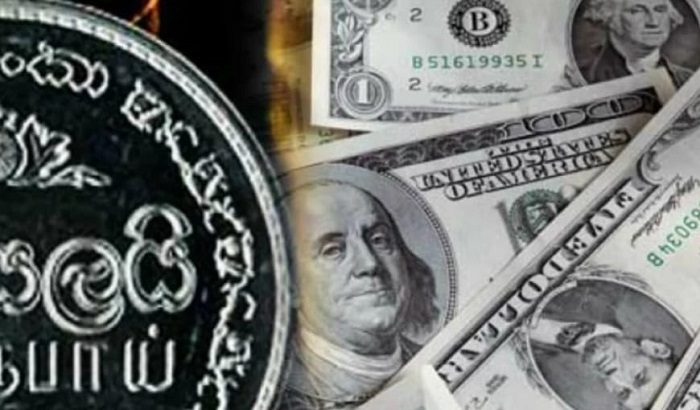
The United National Party (UNP) has raised concerns over what it described as the “uncontrolled depreciation” of the Sri Lankan rupee, questioning the government’s economic approach and warning of rising pressure on the public due to the increasing cost of living. In a statement, the UNP claimed that during the 20 months since the current government assumed office, it has overseen the currency depreciate from Rs. 292 against the US dollar at the time former President Ranil Wickremesinghe handed over power to Rs. 354 at present. The party alleged that the depreciation was largely due to the government’s failure to continue the economic programme initiated by the former President, adding that the absence of a clear economic plan and the failure to boost foreign reserves had contributed to the rapid rise in the value of the US dollar. The UNP also referred to concerns expressed by the private sector that the Sri Lankan rupee could continue to depreciate in the face of mounting pressure both domestically and internationally. The statement further noted that although certain export industries may benefit from a weaker currency, ordinary citizens and employees would face increased economic hardship due to the rising cost of living. “While certain export industries will enjoy higher dividends due to the depreciated currency, the employees and the general public will suffer due to a rising cost of living.” Commenting on the export sector, the party stated that while industries such as apparel are predicting increased exports, they have failed to account for shrinking international markets. “The European markets are facing growing pressure and will explore options to curb their imports,” the statement said, adding that the United States under President Donald Trump is currently prioritising to ensure Iran does not obtain a nuclear weapon and the economy is not their focus right now. The UNP further pointed to uncertainty over Freedom of Navigation, including closures of the Strait of Hormuz and attacks in the Red Sea, stating that shipping costs are expected to continue rising and that the situation does not present a positive picture for Sri Lanka’s export industry. “Minister Anil Jayantha has encouraged organisations to present the depreciating currency in a positive light. While many organisations have chosen to remain silent, the Joint Apparel Association Forum has echoed the sentiments of the Minister, claiming that a depreciating currency is a positi...
'Don't celebrate a weak rupee': UNP challenges Government on currency ...
The United National Party (UNP) says that the government is presiding over an uncontrolled collapse of the rupee, warning that ordinary Sri Lankans will pay the price through a rising cost of living while exporters focus on their own profits. Issuing a statement today (21), the UNP said the rupee had fallen from Rs. 292 — the rate when former President Ranil Wickremesinghe left office — to Rs. 354 today, a depreciation of more than 21% in just 20 months. The party blamed the decline on the government's failure to maintain the economic recovery programme initiated under Wickremesinghe, and its inability to build up foreign reserves. "Exporters should not celebrate" The party challenged the view, echoed by the Joint Apparel Association Forum (JAAF) and encouraged by Deputy Finance Minister Anil Jayantha, that a weaker rupee was good news for Sri Lanka's export sector. While apparel exporters were predicting higher returns, the UNP said they were ignoring shrinking international markets. European markets were under growing pressure and looking for ways to cut imports. The United States, under President Donald Trump, had made clear its foreign policy focus was on Iran's nuclear programme and not the global economy. Meanwhile, disruptions in the Strait of Hormuz and attacks in the Red Sea were pushing up shipping costs with no end in sight. "This is not a positive picture for the country's export industry," the statement said. A reminder of who built the industry The UNP reminded the apparel sector of its political roots as it was President J.R. Jayawardena had opened up the economy and invited foreign investors to build the industry. President Ranasinghe Premadasa had expanded it through his 200 garment factories programme. Both initiatives, the party said, were driven by a commitment to grow the national economy for the benefit of all Sri Lankans and not to maximise industry dividends. The UNP said it was deeply disappointed that the industry had now chosen to align itself with a government narrative that glossed over the hardships facing workers and the wider public. Don't pass the burden to workers The UNP called on exporters to look beyond their balance sheets and ensure that the cost of the economic downturn was not passed on to their employees. "We urge the exporters to look beyond increasing dividends and ensure that the burden of the growing economic hardship is not passed on to their employees," the statement said.
Rs. 292 to Rs. 354 : UNP points finger over dollar crisis
The United National Party (UNP) has raised concerns over what it described as the Government’s handling of the Sri Lankan Rupee’s depreciation, warning that the impact of the weakening currency will ultimately be felt by the general public through higher living costs and economic pressure. Issuing a statement, the UNP said the country is facing a “very serious issue” due to the “uncontrolled depreciation” of the rupee, claiming that during the 20 months since the current administration assumed office, the exchange rate had moved from around Rs. 292 at the time former President Ranil Wickremesinghe handed over office to around Rs. 354 against the US Dollar. The party alleged that the situation was linked to the Government’s failure to continue economic policies introduced by the previous administration and pointed to what it described as a lack of a clear economic plan and failure to strengthen foreign reserves. According to the UNP, these factors had contributed to the rising value of the US Dollar. The statement further noted that concerns have already been raised by sections of the private sector over the possibility of continued rupee depreciation amid increasing domestic and global pressures. While acknowledging that certain export sectors may benefit from a weaker currency through improved earnings, the UNP argued that employees and the wider public would suffer due to an increase in the cost of living. The party also questioned expectations of stronger export growth, particularly within the apparel sector. It said global conditions remain uncertain, citing pressures in European markets and increasing international instability. The UNP also referred to disruptions affecting global shipping routes, including concerns surrounding the Strait of Hormuz and Red Sea attacks, warning that rising shipping costs could negatively affect Sri Lanka’s export sector. The UNP also criticised recent remarks encouraging organisations to present the depreciation of the rupee in a positive light. Referring to comments attributed to Minister Anil Jayantha and responses from the Joint Apparel Association Forum (JAAF), the party expressed disappointment that sections of the industry appeared to focus on potential gains while, according to the UNP, ignoring hardships faced by the public. The party further highlighted the historical role played by previous UNP administrations in developing the country’s apparel sector, pointing to the open economy policies under former Presi...
Govt Explains Sri Lankan Rupee Depreciation Pressure
As Sri Lanka navigates these currency challenges, the coordination between government institutions, central bank policies, and market forces will determine the success of efforts to stabilize the rupee and maintain overall economic stability.