Vetted by NeuralPress's Multi-Agent Verifier for strict factual validity and event relevance. Our compliance engine cross-checks and filters search results to ensure zero false correlations or misleading content.
Primary Sources
Rupee volatility exposes deeper structural weaknesses, says fintech ...
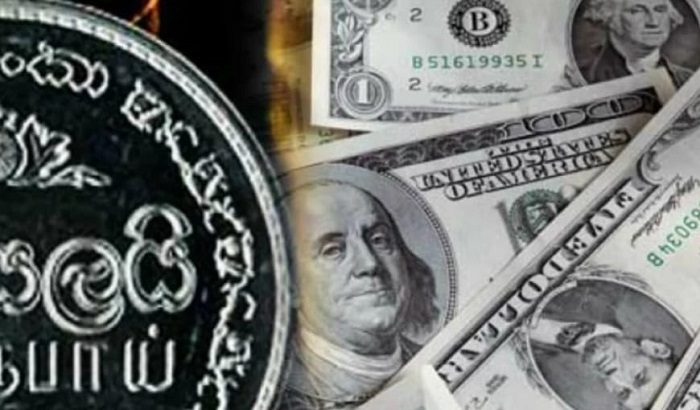
The continued depreciation pressure on the Sri Lankan rupee is exposing deep-rooted structural weaknesses within the economy, while simultaneously creating limited opportunities for export-oriented sectors, according to Rajkumar Kanagasingam. Kanagasingam warned that while some export industries may temporarily benefit from a weaker currency, the broader economic strain caused by rising import costs, inflationary pressures, and investor uncertainty continues to weigh heavily on businesses and consumers alike. Speaking to The Island Financial Review, he said local industries are struggling to absorb rising costs linked to imported raw materials, machinery, fuel, and intermediate goods as the rupee remains under pressure. “Local industries are coping through cost-cutting measures, selective price increases, tighter inventory management, and delaying certain capital investments,” he said. “Many businesses are also exploring alternative suppliers and improving operational efficiency to manage rising import-related costs.” He noted that import-dependent sectors are among the hardest hit by currency depreciation, particularly construction, transport, pharmaceuticals, manufacturing, and food imports, where businesses face mounting operational expenses and shrinking margins. At the same time, Kanagasingam observed that export-oriented sectors such as apparel, tea, IT services, tourism, and businesses promoting local substitutes may gain some competitive advantage from the weaker rupee, as foreign exchange earnings translate into higher rupee revenues. “A weaker rupee can improve the competitiveness of export-oriented sectors by increasing rupee earnings from foreign exchange,” he explained. “However, the benefits may be partially offset by higher imported input costs, energy expenses, and broader economic pressures.” He stressed that small and medium-scale enterprises (SMEs) remain significantly more vulnerable than larger corporates during periods of currency instability. “SMEs generally have limited financial buffers, less access to foreign currency, and weaker bargaining power,” he said. “Larger corporates are typically better positioned to manage exchange rate fluctuations through stronger reserves, export earnings, and diversified financing options.” Kanagasingam added that consumers are ultimately carrying much of the burden created by rupee depreciation, with higher prices increasingly visible across food, transport, utilities, imported goods, and daily ser...
Rupee weakness fuels calls for deeper market reforms
The rupee's slide to fresh record lows amid the West Asia war is prompting calls for deeper structural reforms instead of short-term liquidity measures to stabilize the currency, five market participants told Mint.
Why the Rupee Has Become Asia's Weakest Currency
The Indian rupee is the weakest currency in Asia, reflecting broader economic concerns. "As long as oil prices do not cool off and tensions escalate further, the rupee could face additional ...
Rupee, crude oil, gold prices: Market strategist Akshay Chinchalkar ...
Akshay Chinchalkar says rising crude, record-high gold and rupee weakness are unsettling Indian markets. He says inflation worries, pressure on oil-linked sectors and investor discipline will be crucial if volatility persists.