Vetted by NeuralPress's Multi-Agent Verifier for strict factual validity and event relevance. Our compliance engine cross-checks and filters search results to ensure zero false correlations or misleading content, in full compliance with the Online Safety Act of Sri Lanka.
Comparison of Ebola Strains
Differences in mortality rates and availability of treatments between Zaire and Bundibugyo strains.
Primary Sources
A rare Ebola strain is spreading. Here's why it's so hard to contain
National Geographic As Ebola cases mount in the Democratic Republic of the Congo, experts explain what causes the disease—and the risk this outbreak poses to the rest of the world. The World Health Organization has declared a Public Health Emergency of International Concern following an Ebola outbreak in the Democratic Republic of the Congo (DRC) and in neighboring Uganda. The declaration is the second-noisiest alarm the agency can ring on an outbreak, and a signal to other member states to activate their national response and preparedness systems. WHO Director-General Tedros Adhanom Ghebreyesus noted in remarks to press that he “determined that the situation was not a pandemic emergency,” the agency’s new and highest classification for outbreaks. As of May 20, officials say the outbreak has led to 139 deaths and nearly 600 suspected cases. Fifty-one cases have been confirmed in towns in the remote, densely forested northeastern Ituri province, and Uganda has confirmed two cases. Continue reading at National Geographic Fair Use NoticeUNMC Global Center for Health Security staff curate publicly available news and information for educational and informational purposes. Brief excerpts of published articles may be displayed under principles of Fair Use, with credit and links provided to the source publications. All copyrights remain the property of their respective owners.
Congo prepared for Ebola. Now a rare strain is exposing gaps in readiness
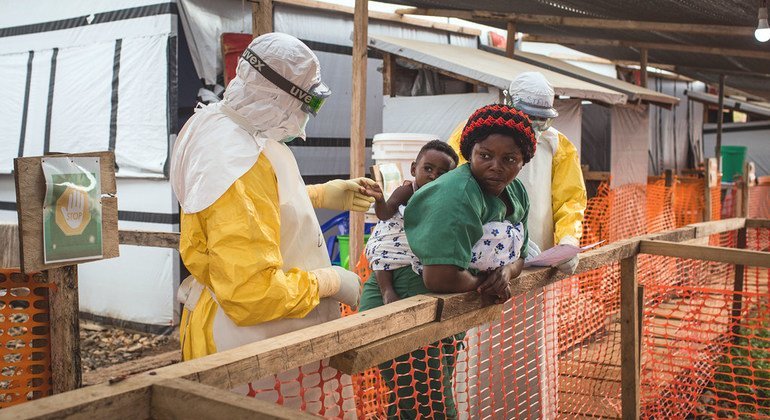
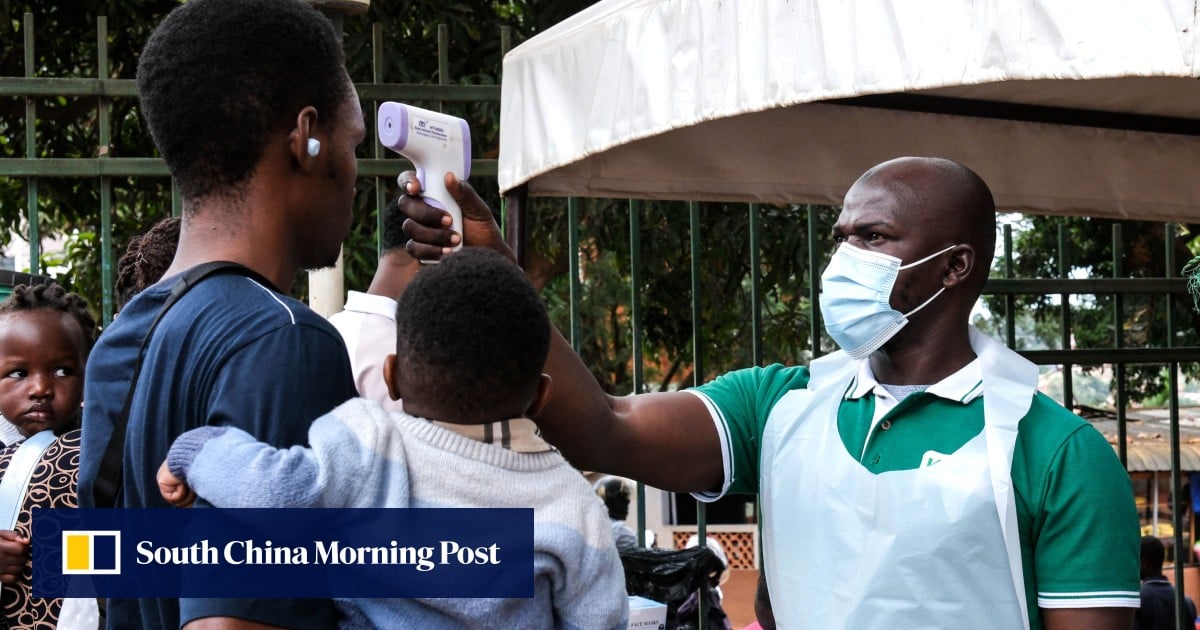
The Democratic Republic of Congo has spent years building a world-class infrastructure to fight Ebola. It has hoarded stockpiles of the Ervebo vaccine and therapeutic treatments, ready to nip outbreaks of the relatively common Zaire strain of the deadly virus. But what happens when the enemy changes its armor? The rare Bundibugyo strain, for which there is no vaccine and no specific treatments, now has public health officials in Congo scrambling to contain a rapidly growing outbreak with limited tools. On May 17, the World Health Organization declared the epidemic constituted a public health emergency of international concern. As of May 22, at least 82 cases — including seven deaths — have been confirmed, most in northern Congo, but also including two people in Uganda who traveled there from Congo and an American doctor who has been flown to Germany for treatment. “The scale of the epidemic … is much larger,” though, WHO Director-General Tedros Adhanom Ghebreyesus said in a May 20 news briefing. As of May 22, there are also almost 750 suspected cases and 177 suspected deaths. The Bundibugyo strain has fueled just two relatively small outbreaks before — one in 2007, when it was first discovered, and one in 2012. About 30 percent of people who contract the virus died. In comparison, the Zaire strain is far deadlier — up to 90 percent of patients who don’t get treatment die. And it is to blame for the majority of outbreaks across Africa, including the two largest ones starting in 2014 and 2018. That’s why outbreak readiness has focused on the Zaire strain, not the Bundibugyo strain. Even with that preparation, deep cuts in international aid and ongoing conflict in the region have hampered disease control efforts. “It accelerated the collapse of [Congo’s] fragile health system, leaving millions defenseless against preventable diseases like Ebola,” says Fatuma Noor, communications manager for Oxfam International who is based in Kenya. Such gaps may be to blame for a nearly monthlong lag between the first known death in this outbreak on April 24 and confirmation of the outbreak on May 15, Reuters has reported. Because of the gaps, frontline responders are playing catch-up and now must rely on more traditional low-tech public health interventions to fight the Bundibugyo outbreak. For instance, three Ebola treatment centers have been opened in the region to isolate patients and provide such crucial care as rehydration. Efforts are under way to identify peop...
How Did The 3rd Bundibugyo Ebola Outbreak Begin? Experts Say Delayed ...
SummaryThe first known case was reportedly a healthcare worker in Bunia, DRC, who began experiencing fever, hemorrhaging, vomiting, and intense malaise on April 24. That person later died, according to the WHO. However, it took another three weeks before health officials officially confirmed that Ebola was spreading.
How did a rare strain of Ebola outrun doctors? - Al Jazeera
Skip linksSkip to Content Live Navigation menuNewsAfricaAsiaUS & CanadaLatin AmericaEuropeAsia PacificMiddle EastExplainedOpinionSportVideoFeaturesEconomyHuman RightsClimate CrisisInvestigationsInteractivesIn PicturesScience & TechnologyPodcastsTravel Live Navigation menuTrendingUS-Israel war on IranTracking Israel's ceasefire violationsRussia-Ukraine warDonald TrumpHow did a rare strain of Ebola outrun doctors?By the NumbersPublished On 25 May 2026