Vetted by NeuralPress's Multi-Agent Verifier for strict factual validity and event relevance. Our compliance engine cross-checks and filters search results to ensure zero false correlations or misleading content.
Conflict Impact Metrics
Key economic and humanitarian indicators related to the conflict
Primary Sources
Iran's War With Israel and the United States | Global Conflict Tracker
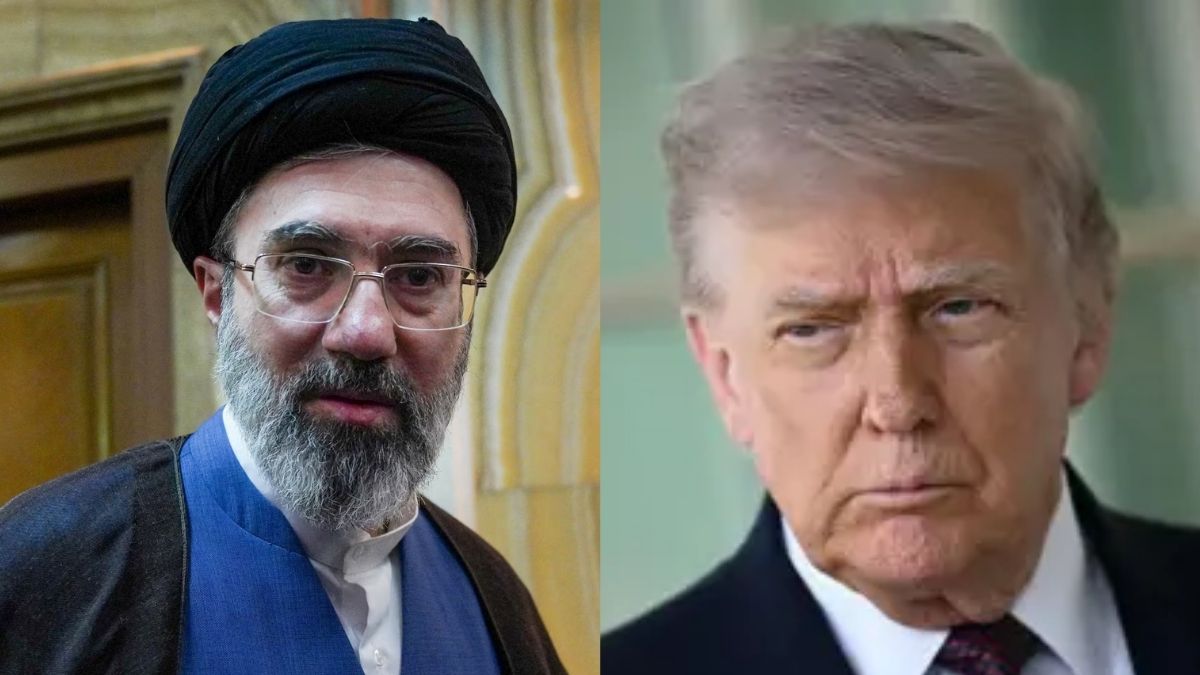
Updated April 16, 2026 On February 28, the United States and Israel attacked Iran after weeks of military buildup and threats from President Trump. Large-scale strikes targeted Iranian military assets and the Islamic Republic’s top leadership, killing Supreme Leader Ayatollah Ali Khamenei. Tehran’s Assembly of Experts appointed Ali Khamenei’s son, Mojtaba Khamenei, to succeed him. Iran has retaliated by targeting U.S. military facilities in the region, Israel, and energy and civilian infrastructure in the Gulf states. Israel launched a military offensive into southern Lebanon after Hezbollah fired rockets at Israeli territory, while the Iran-backed Houthis in Yemen launched ballistic missiles at Israel—both in solidarity with Iran amid the broader regional war. Iran’s ambassador to the United Nations stated that more than 1,500 civilians have been killed so far, including at least 175 people who were killed by a reported U.S. strike on an Iranian elementary school, and up to 3.2 million have been displaced. Thirteen U.S. service members have been killed. Trump has issued conflicting statements on U.S. military objectives and the trajectory of the conflict. The attack quickly escalated into a regional war with widespread ramifications for critical supply chains and humanitarian aid. Iran’s effective closure of the Strait of Hormuz has caused a global energy shock, prompting the International Energy Agency to release four hundred million barrels from its strategic reserve. History of Iran’s Nuclear Program Iran has pursued a nuclear program since at least 1957, with varying degrees of success. During a war with Iraq, Iran decided to develop nuclear weapons to ensure its security in the late 1980s. Consequently, Iran pursued agreements with China and Russia to support the program’s research throughout the 1990s. In the summer of 2002, the National Council of Resistance of Iran, an umbrella organization made up of Iranian dissident groups, exposed the existence of two Iranian nuclear sites that were hidden from the IAEA. By 2003, diplomats launched an intensive effort to halt Iran’s nuclear program. Iran agreed, insisting only on keeping its centrifuges for nuclear energy. However, it did not follow through on its commitment to transparent reporting to the IAEA and continued covert activities, leading to a June 2004 rebuke and a September 2005 finding of non-compliance by the IAEA, paving the way for a future referral to the UN Security Council (UNSC). In...
Iran War: Latest Breaking News, Updates & Analysis | Reuters
The U.S. and Israel's attack on Iran is the most consequential military operation in the Middle East in more than two decades.
Collection: Iran, Israel and the United States at War (2025-2026 ...
11 hours ago ... The United States and Israel launched a series of strikes against Iran on Feb. 28, 2026, bombing numerous sites in the cities of Tehran and across the ...
The War Against Iran - The International Institute for Strategic Studies
Middle East. Understand the conduct, costs and implications of the war pitting the US and Israel against Iran, with the latest analysis by IISS experts, as well ...