Vetted by NeuralPress's Multi-Agent Verifier for strict factual validity and event relevance. Our compliance engine cross-checks and filters search results to ensure zero false correlations or misleading content.
Regional Impact of Hormuz Crisis
Comparison of operational impact across GCC member states during the crisis.
Primary Sources
What the Hormuz Insurance Crisis Really Means - gcaptain.com
The viral social media post claimed Donald Trump had just “killed the British Empire” in a matter of minutes. The truth is simultaneously more complicated, more interesting, and in some ways more consequential than that. By Paul Morgan (gCaptain) – The broad story is real. When US and Israeli forces launched coordinated strikes on Iran in late February 2026, triggering what Tehran declared a full closure of the Strait of Hormuz, the first system to buckle was not military but actuarial. Within 72 hours, the world’s largest marine insurance mutuals, Gard, Skuld, North-Standard, the London P&I Club, Steamship Mutual and others, issued notices cancelling war risk extensions for vessels entering the Persian Gulf. Transit volumes through the strait collapsed by more than 80 percent almost immediately. The waterway that carries roughly 20 per cent of the world’s oil supply, and a significant proportion of its liquefied natural gas, had been shut not by mines or missiles but by the withdrawal of a piece of paper. Trump’s response was characteristically blunt. Posting on Truth Social, he announced that the US International Development Finance Corporation (DFC) would “effective IMMEDIATELY” provide political risk insurance and guarantees for all maritime trade in the Gulf at a “very reasonable price.” He added that the US Navy would escort tankers through Hormuz “if necessary.” The message was unambiguous: Washington was stepping into the breach. That much is confirmed and factually solid. What the viral breakdown got wrong, and it got several things significantly wrong, matters enormously if the story is to be understood rather than simply celebrated. The claim that Lloyd’s of London is “the only company in the world big enough to insure all the oil tankers” mischaracterises how the marine insurance market actually functions. Lloyd’s is a marketplace, not a single insurer, and it sits at the apex of a complex ecosystem that includes P&I clubs, commercial hull underwriters, Nordic mutuals and reinsurance pools spread across London, Bermuda, Singapore and beyond. Lloyd’s writes between 70 and 80 per cent of the world’s war risk business, but it did not unilaterally “pull” coverage on the Gulf. The cancellations came from the P&I clubs, mutual protection and indemnity associations, acting on the withdrawal of their reinsurance support. The distinction matters: it was a cascading market failure driven by Solvency II capital requirements and two years of accumula...
What stopping war-risk insurance in the Strait of Hormuz tells us
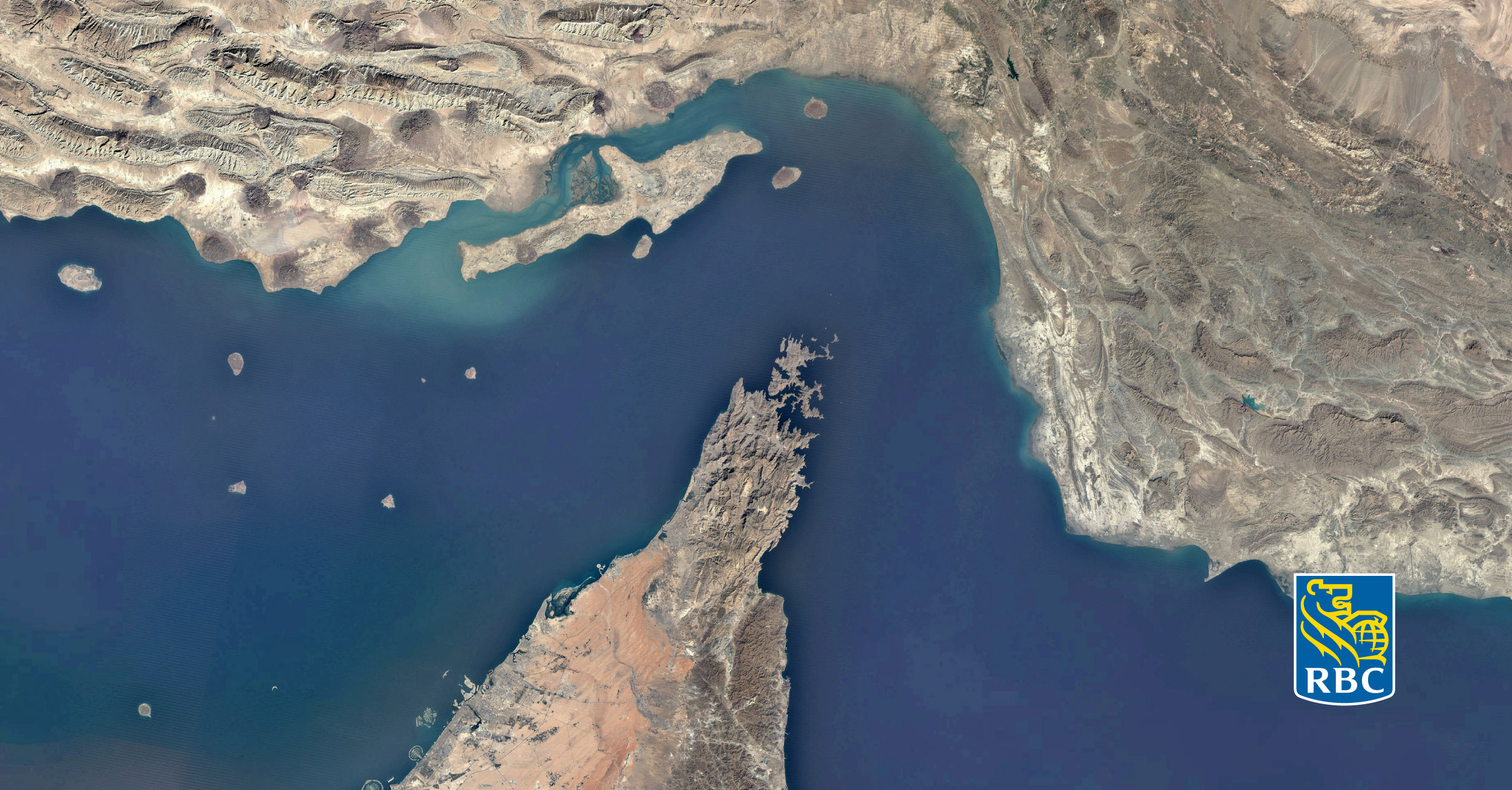
Insurance is a critical pillar of the global economy, but insurers withdraw or limit coverage when risks become too severe.Disruption in the Strait of Hormuz due to war in Iran has resulted in the repricing and withdrawal of war-risk insurance policies, exposing the limits of private insurance.Governments are increasingly willing to directly intervene to preserve economic continuity aligned with geoeconomic priorities.The military, humanitarian and energy consequences of the war in the Middle East are dominating headlines and commanding global attention for obvious and important reasons. Less visible, however, is a quieter yet significant disruption unfolding in parallel: the US government stepping in to backstop war-risk insurance for ships transiting the Strait of Hormuz in response to the repricing – and in some cases withdrawal – of private insurance. The Strait of Hormuz is a narrow waterway connecting the Persian Gulf to the Indian Ocean. It is a chokepoint in global energy supply chains, with roughly 20% of global oil supply transiting the passageway, including more than 40% of China’s crude oil imports. Shortly after the United States and Israel launched airstrikes in Iran, the Iranian Islamic Revolutionary Guard Corps said it would close the strait and attack any vessel attempting to pass through. Within hours of its declaration, it targeted five commercial ships. While a two-week ceasefire between the United States and Iran was announced on 7 April, reports indicate that Iran continues to limit access to the Strait.Accordingly, major maritime insurers have suspended or repriced war-risk coverage for ships travelling through the Strait of Hormuz and the Persian Gulf, at-large. The Joint War Committee of the Lloyd’s Market Association has expanded its “high-risk” designation to cover the entire Persian Gulf.In the weeks prior to the war, an average of 178 ships transited the Strait of Hormuz each day. However, traffic has reportedly reduced by about 95% since the onset of the war. The resulting shock to global energy flows has driven prices sharply higher, intensified geopolitical tensions and is already costing the global economy.When shipping insurance premiums surge unpredictably, costs ripple through energy markets and supply chains. But when tankers cannot secure insurance at all, traffic comes to a standstill; ships cannot sail.At first glance, this episode may appear to be a contained shipping or energy issue but it offers a window into a br...
The GCC should insure itself against the next Strait of Hormuz crisis
The crisis caused by the US-Israel war on Iran has affected the member states of the Gulf Cooperation Council (GCC) at different levels.Oman has barely felt any shock as its ports and terminals continue operating as usual. Saudi Arabia and the United Arab Emirates have been able to reroute some oil exports through terminals in Yanbu and Fujairah, respectively, to bypass the Strait of Hormuz. Kuwait, Bahrain and Qatar, on the other hand, have been practically cut off from the global market and are facing the prospect of economic contraction.Under these circumstances, the GCC states more than ever need to demonstrate unity and address the crisis through collective action. The issue of solidarity is not about showing benevolence to neighbours. It is about setting up mechanisms now that can diminish the consequences and value of any future threat of closure. It is about the survival of the whole idea of GCC unity and the leverage it has on the global scene.Collective action, common interestEven if some sort of agreement is reached between the warring sides today, the GCC will continue to suffer under the shadow of the nearly three-month closure. States face the risk of losing clients due to the risk of not fulfilling their obligations or being perceived as a risky supplier. Only a joint effort can stop a free fall.So far, self-interested approaches are winning over collective action. For instance, the UAE’s exit from OPEC was largely driven by the perception of the Emirati leadership that the Strait of Hormuz crisis was an opportunity to grab greater oil market share.If this trend of unilateral crisis response continues, it would have grave economic consequences for the whole GCC and threaten its existence. With no burden-sharing mechanism, Gulf countries would end up competing against each other in a zero-sum game. This would reduce the influence the GCC has as a regional bloc and diminish its ability to sway energy markets.Up until now, there have been some demonstrations of solidarity in rhetoric. During the GCC consultative meeting in Jeddah on April 28, Gulf leaders attempted to show unity and discuss possible ways out of the crisis. The meeting led to discussions about what the GCC states could do in practical terms, yet there are still no signs that these discussions have moved beyond the expert level.Nevertheless, there are practical steps the GCC can take now that could help address the present crisis and ensure stability in the face of future risks. ...
GCC's post-Strait of Hormuz crisis challenges | Arab News
GCC’s post-Strait of Hormuz crisis challenges Reopening the Strait of Hormuz is considered a necessary first step toward a comprehensive end to the war (File/AFP) Short Url https://arab.news/p4xyq The 19th consultative meeting of the leaders of the Gulf Cooperation Council countries was held in Jeddah on April 28, with the participation of Saudi Crown Prince Mohammed bin Salman. The leaders issued a statement addressing Iranian attacks on GCC states and Jordan, the closure of the Strait of Hormuz and the disruption of maritime transport and supply chains, in addition to the need for joint Gulf arrangements that go beyond immediate reactions and instead build a long-term strategic vision. In light of all this, the core political message emphasized the importance of finding “a diplomatic path to end the crisis” and paving the way for “agreements and understandings that address the sources of concern for GCC states.” This reflects a desire among the participating countries to move toward a genuine and historic settlement that removes the roots of the Iranian threat, which has persisted since the 1979 revolution, and to link any de-escalation to verifiable security and political guarantees. The summit sought to broaden the concept of “Gulf security” so that it is no longer confined to border protection but also encompasses navigation, ports, airports, railways, energy, water, strategic reserves and supply chains. This means that any attack on or disruption of one of these vital sectors would affect the others, resulting in a broader security imbalance, as these elements form an interconnected system that cannot be viewed in isolation. There is a desire to move toward a genuine and historic settlement that removes the roots of the Iranian threat Hassan Al-Mustafa The Iranian attacks targeting civilian and infrastructure facilities were described in the summit’s statement as violations of sovereignty, international law and the principles of good neighborliness. It noted that these actions have led to a “sharp loss of trust by GCC states in Iran,” making the restoration of trust an Iranian responsibility to be demonstrated through actions, not verbal commitments. The closure of the Strait of Hormuz was a key issue at the summit, with the statement rejecting “Iran’s illegal measures to close the strait and obstruct navigation,” while deeming “the imposition of fees under any circumstances or designation for the passage of ships” to be unlawful. It called ...