Vetted by NeuralPress's Multi-Agent Verifier for strict factual validity and event relevance. Our compliance engine cross-checks and filters search results to ensure zero false correlations or misleading content, in full compliance with the Online Safety Act of Sri Lanka.
Primary Sources
Inside startups, Claude has already won the AI coding wars
Anthropic's Claude has been giving some unusual advice to users. Bloomberg/Getty Images When Dan Lorenc, the CEO and cofounder of cybersecurity startup Chainguard, was asked which AI coding tools he expects to use less in the coming year, his answer got right to the point: "Everything that's not Claude Code."Lorenc is far from alone. In a survey of more than two dozen startup founders and venture capitalists, Business Insider found a growing consensus that Anthropic's Claude Code has quickly become the default AI coding tool inside startups, earning high marks for how it handles complex engineering tasks and autonomous workflows."The shift in how code is being developed is like the evolution of woodworking from using hand tools to power tools, and soon full assembly lines," Lorenc said. "For years, we were carving everything by hand. Then AI showed up and gave everyone a circular saw."VCs have been pouring billions into AI coding startups like Lovable, Replit, and Cursor, which announced last month that it gave SpaceX the right to acquire its parent Anysphere later this year for $60 billion or pay $10 billion if the deal does not go through. Meanwhile, investors have been in a frenzy to back Anthropic, the maker of Claude Code, which is expected to go public by the end of the year.The stakes are high because AI coding has become one of the clearest commercial use cases for generative AI, with startups increasingly relying on these systems not just to write code faster, but to automate engineering work that once required entire teams.Matthew Burris, the senior head of research at the Venture Studio Forum, said that 12 weeks ago, he had never written a single line of code."Claude Code changed that completely," he said. "Today I'm shipping tools that rival what you'd get from a six-figure consulting engagement." He finds its agenetic workflow especially helpful. "Claude Code doesn't just autocomplete lines but actually reasons through architecture, researches approaches, and builds iteratively," he said, adding that he intentionally avoids OpenAI. "I have real concerns about OpenAI's approach to safety and release practices, their aggressive and increasingly monopolistic competitive positioning, and frankly, I don't trust them with my data."Zhongtian Wang, head of technology at AI biometrics startup VaryAI, says Claude Code is now embedded in every part of the company's workflow."We started last year using it to write code and fix bugs," he said. "Now we'r...
Anthropic just made its latest move in the AI coding wars
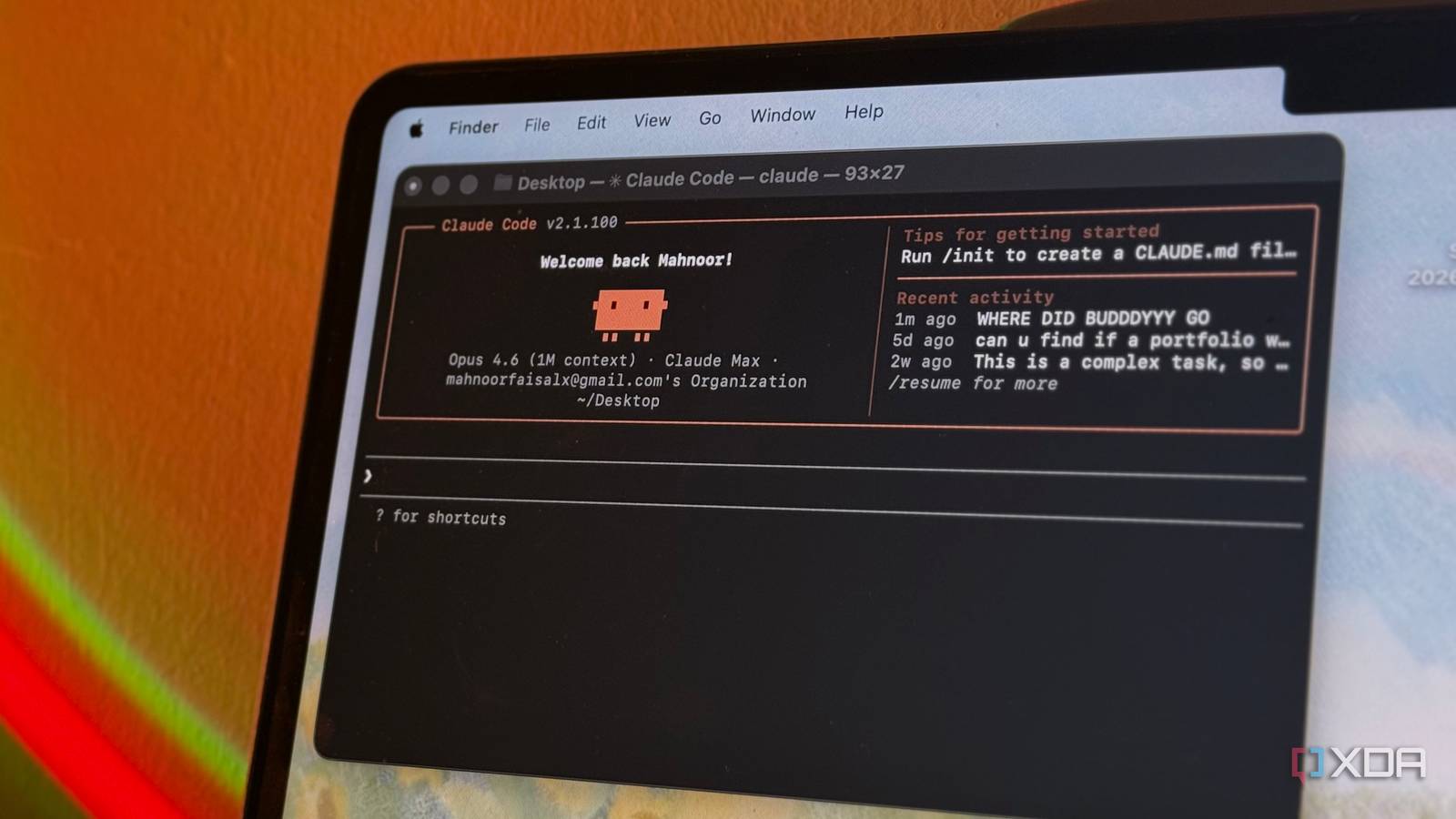
Anthropic is pushing deeper into AI-assisted software development as competition over coding tools accelerates across the industry. Its latest product move signals that Claude is no longer being positioned only as a general-purpose chatbot, but as a serious work companion for developers who need help writing, understanding, testing, and maintaining code. The timing is significant. OpenAI, Google, Microsoft, and a fast-growing group of coding-focused startups are all racing to make AI more central to software engineering workflows. The prize is large: developer productivity, enterprise software budgets, cloud adoption, and the chance to shape how modern applications are built. For engineering teams, these tools could change everything from daily debugging to large-scale codebase modernization. But they also raise practical questions around accuracy, security, workflow integration, intellectual property, and how much responsibility should be handed to AI systems inside production development environments. What Anthropic Announced Anthropic’s latest move is the broader rollout of Claude Code, its agentic coding tool designed to work directly inside a developer’s workflow rather than simply answer programming questions in a chat window. The product is positioned as a hands-on coding assistant that can read a repository, understand project structure, edit files, run commands, write tests, debug failures, and help move a task from description to pull request. Instead of treating code generation as a one-off prompt, Anthropic is pushing Claude toward a more active role in day-to-day software development. The announcement ties Claude Code closely to Anthropic’s newest Claude models, including its higher-end and coding models, giving the tool stronger performance on multi-step programming tasks. That matters because modern coding assistants are increasingly judged not by whether they can produce a function, but by whether they can navigate a large codebase, preserve existing conventions, handle dependencies, and recover when tests fail. Anthropic is aiming Claude Code at exactly that layer of work: the messy middle between a ticket in an issue tracker and a reviewed, working change in production code. Core parts of the rollout Command-line workflow: Claude Code can be used from the terminal, where many developers already run builds, inspect errors, manage branches, and execute tests. Repository awareness: The tool is designed to inspect files across a project and ...
Anthropic Founder's Playbook Explained: How Claude Helps Startup Teams ...
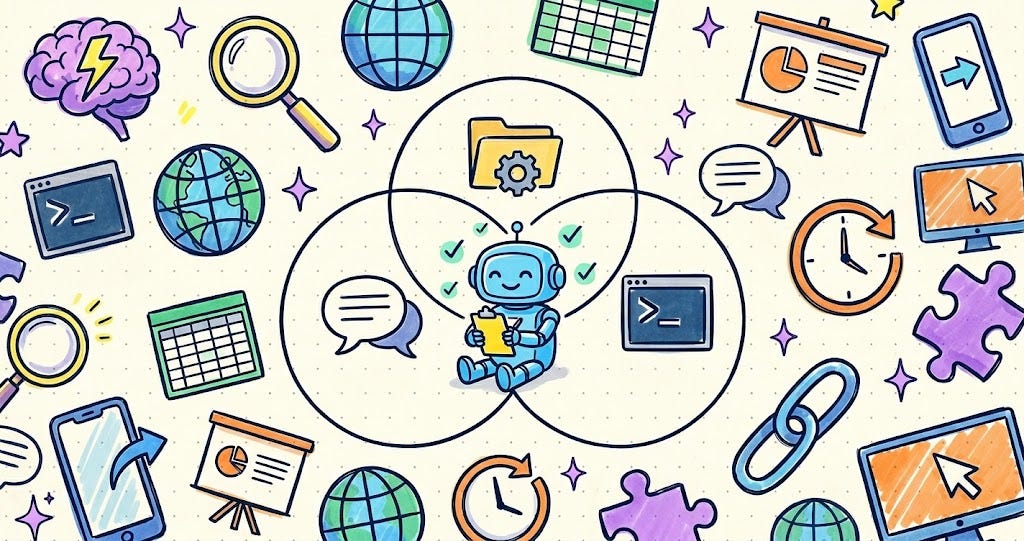
Anthropic released The Founder's Playbook for AI-native startups, organizing company building into Idea, MVP, Launch, and Scale, and explaining how Claude Code, Claude Cowork, and Claude Chat can help teams reduce repetitive work.
Anthropic's Code with Claude showed off coding's future—whether you ...
As tools like Claude Code get better, more and more developers are happy to hand off coding tasks to them. The way software gets built has changed for good.