Vetted by NeuralPress's Multi-Agent Verifier for strict factual validity and event relevance. Our compliance engine cross-checks and filters search results to ensure zero false correlations or misleading content.
Primary Sources
US-Iran peace talks: How Pakistan came to host the talks
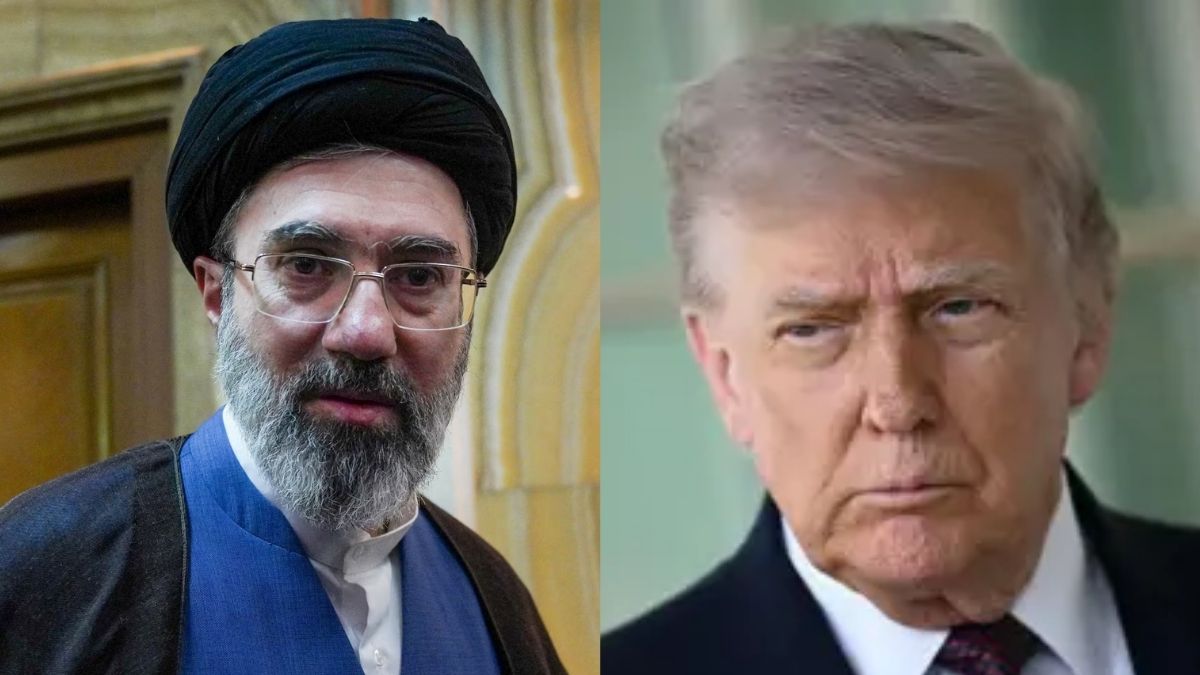
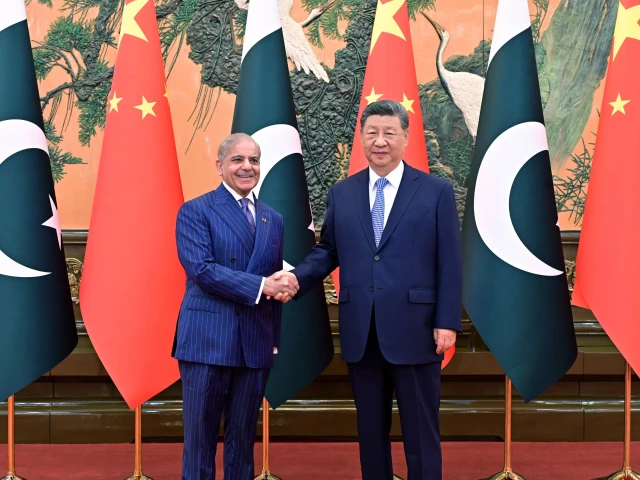
The high-stakes diplomacy that led to Pakistan hosting US-Iran peace talks1 day agoUmer NangianaandSarah Hasan,BBC News Urdu, IslamabadBBC / Getty ImagesAs Pakistan celebrates its success in helping negotiate a two-week ceasefire between the US and Iran, its leaders are preparing to host the peace talks.A two-day holiday was declared in the country's capital of Islamabad ahead of the talks, which are due to begin on Saturday.Whether or not they will actually go ahead has yet to be confirmed, but the city has readied itself all the same. The streets have become quieter as about 10,000 police officers and security forces are deployed.The stakes for the world are high – countries across the globe are keen to see an end to the fighting and the reopening of the Strait of Hormuz, a vital artery where about 20% of the global oil supply flowed through before the war.But they are also high for Pakistan in other ways.Getty ImagesIslamabad's streets have become quieter as police officers and security forces are deployed in readiness for US-Iran peace talks The South Asian nation will face a potential "nightmare scenario" if negotiations collapse, and it gets dragged into fighting with its neighbour Iran, says Abdul Basit, a South Asia expert at Nanyang Technological University in Singapore. This could happen as Pakistan signed a mutual defence pact with Saudi Arabia last year - and Islamabad has since "made it clear that it will honour its commitment given to the Saudis", says Basit.This could result in "three borders of Pakistan [becoming] hot", Basit explains, referring to Pakistan's existing tensions with its other neighbours Afghanistan and India. "And Pakistan is fighting two full-fledged insurgencies in two of the four provinces. Pakistan cannot afford that."Yet pride and excitement is taking over Pakistani social media, with different memes going viral."It is a victory in the sense that no other country in the world was able to broker the ceasefire and we were on the verge of a possible catastrophe. Pakistan averted that," says Basit.The success is very much needed for a country that has endured years of political unrest, a fragile economy on the brink of a debt default only two years ago, and intense rivalry with India.So how did Pakistan pull off this feat?Trump favouritePakistan is in a unique position as it is trusted by the US, Iran and the Gulf countries.The reconciliation process is led by Pakistan's military chief Asim Munir, whom US President Donald T...
Pakistan can shape global diplomacy, says Maleeha Lodhi
SummaryFormer Pakistani ambassador to the United Nations and the United States, Maleeha Lodhi, has highlighted Pakistan’s growing relevance as a mediator in international conflicts, particularly in facilitating dialogue between United States and Iran.Speaking on Pakistan’s diplomatic position, Lodhi said that Islamabad maintains strong and workable relations with both countries, which places it in a unique position to bridge communication between rival sides.She also pointed to Pakistan’s past experience in conflict resolution, citing its involvement in major diplomatic processes such as the Doha Agreement between the United States and the Taliban, which ultimately paved the way for the withdrawal of US forces from Afghanistan.AI Generated SummaryFormer Pakistani ambassador to the United Nations and the United States, Maleeha Lodhi, has highlighted Pakistan’s growing relevance as a mediator in international conflicts, particularly in facilitating dialogue between United States and Iran.Speaking on Pakistan’s diplomatic position, Lodhi said that Islamabad maintains strong and workable relations with both countries, which places it in a unique position to bridge communication between rival sides. She noted that this trust on both ends is a critical factor in enabling mediation efforts.She also pointed to Pakistan’s past experience in conflict resolution, citing its involvement in major diplomatic processes such as the Doha Agreement between the United States and the Taliban, which ultimately paved the way for the withdrawal of US forces from Afghanistan.According to Lodhi, Pakistan brings three key strengths to the table: its established bilateral relationships, its practical mediation experience, and its strategic geopolitical location. Together, she said, these elements enhance Islamabad’s ability to play an effective facilitative role in sensitive negotiations.She further emphasized that the global political landscape is rapidly evolving, creating space for countries like Pakistan to take on more active diplomatic responsibilities. In her view, such states are increasingly capable of influencing international outcomes beyond their traditional regional roles. We welcome your contributions! Submit your blogs, opinion pieces, press releases, news story pitches, and news features to opinion@minutemirror.com.pk and minutemirrormail@gmail.com
US-Iran talks in Pakistan: Who's attending, what's on the agenda?
Islamabad hosts negotiations as US and Iran seek off-ramp. But deep mistrust and regional tensions threaten talks.
America's Limits, Iran's Leverage, Pakistan's Moment: Maleeha Lodhi on ...
After almost six weeks of war, how did Pakistan manage to get the US and Iran to talk? Amid a still-fragile situation in the Middle East, that question sits at the heart of this conversation with Maleeha Lodhi. She has served as Pakistan's ambassador to Washington, as well as to the UK and United Nations. For her, the Islamabad talks mark a moment of wider significance, as the middle powers ...