Vetted by NeuralPress's Multi-Agent Verifier for strict factual validity and event relevance. Our compliance engine cross-checks and filters search results to ensure zero false correlations or misleading content.
Primary Sources
Thailand Expands EV Incentives Amid Employment Surge and Localization ...
Thailand's Board of Investment reports 9,600 new jobs from Chinese EV makers as it seeks to increase domestic production and sustain industry growthThe Thailand Board of Investment (BoI) has announced plans to further accelerate the country's electric vehicle (EV) sector by expanding incentive packages aimed at boosting employment and enhancing local manufacturing capabilities. As of mid-2025, EV manufacturers operating in Thailand have created approximately 9,600 jobs, according to the BoI. Most of these roles are occupied by Thai nationals, employed as engineers, technicians, and executives. The majority of hiring stems from Chinese automakers that have established production facilities in Thailand, including BYD, MG, GWM, GAC Aion, and Changan. Among them, BYD has recorded the highest employment figure with around 5,900 workers and plans to increase this number to 8,000 by 2026. EV companies currently operating in Thailand have been sourcing between 40% and 60% of their vehicle components domestically. BoI Secretary-General Narit Therdsteerasukdi stated that manufacturers plan to raise this to approximately 90% in the coming years, in line with government efforts to transform Thailand into a regional EV production hub. The government’s policy target, dubbed "30@30," aims for electric vehicles to account for at least 30% of the country’s total automobile production by 2030. This includes goals of manufacturing 725,000 battery electric vehicles (BEVs), 675,000 electric motorcycles, and 34,000 electric buses and trucks annually by that year. Incentive measures under Thailand’s EV3.0 scheme, launched in 2022, include tax reductions and subsidies for companies that commit to local EV production. These incentives initially supported imports to stimulate early market adoption, with firms expected to begin domestic assembly from 2024 onward. However, slowdowns in the domestic automotive market have led several firms to fall short of meeting these production commitments. As a result, EV manufacturers are urging the Thai government to maintain subsidies and consider canceling penalties for non-compliance with production targets. Industry representatives attribute the shortfall to sluggish vehicle sales across Thailand over the past year, despite overall growth in EV registrations. The BoI has indicated it is evaluating additional policy tools to support industry resilience, sustain employment, and encourage greater localization of EV parts manufactu...
JKCG Auto Encourages Smart EV Charging in BYD and DENZA Vehicles
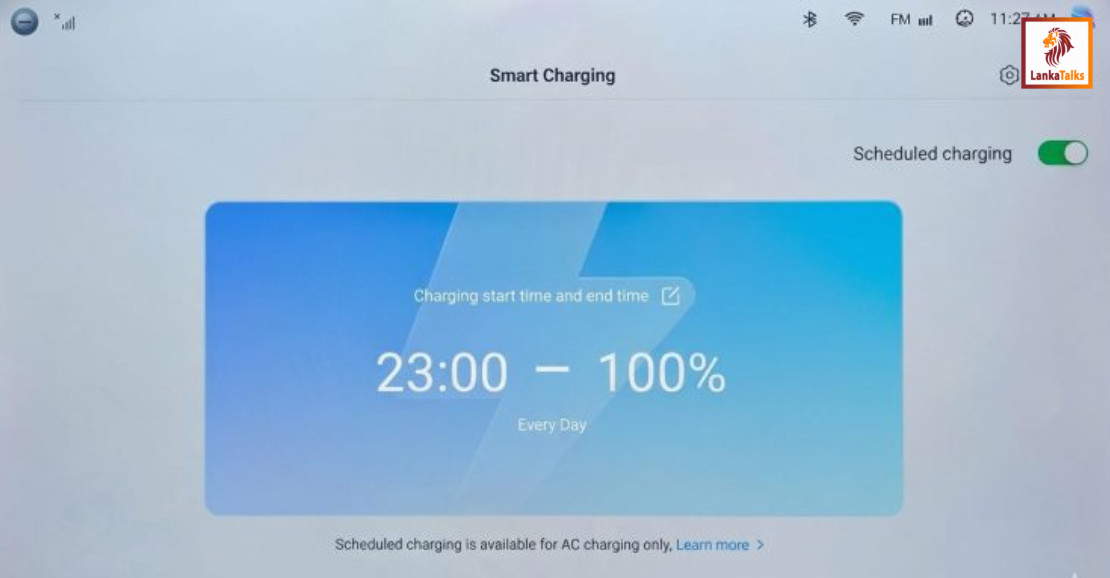
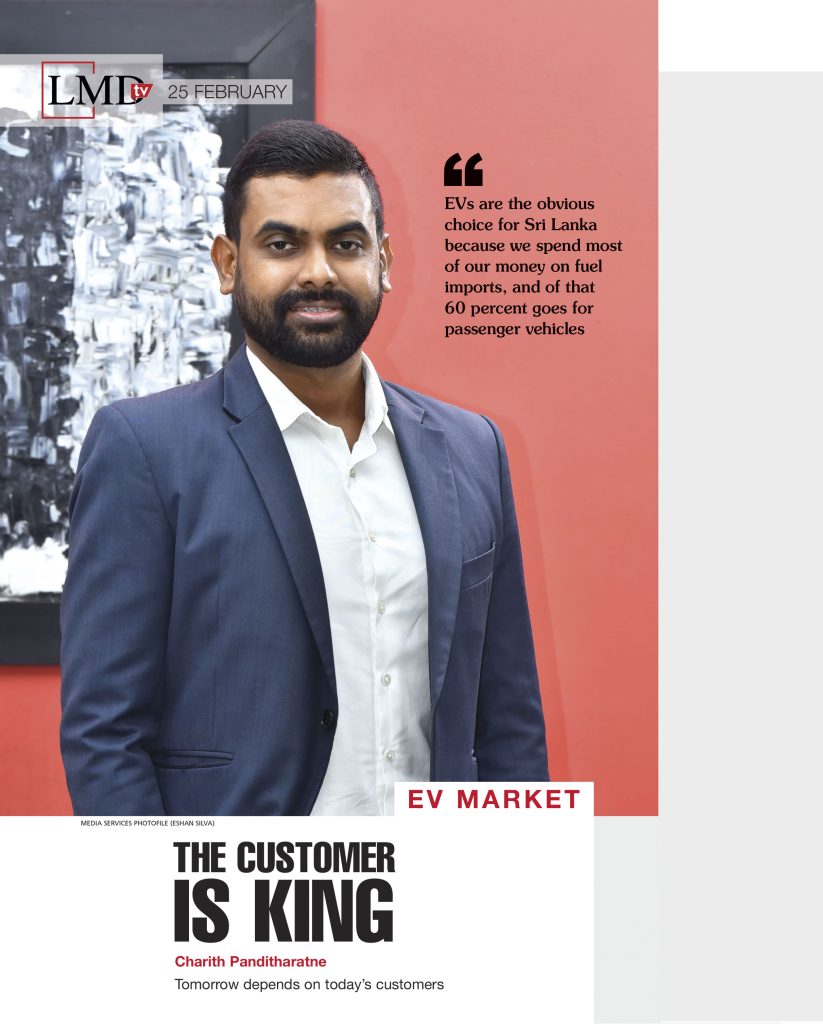
John Keells CG Auto (JKCG Auto), the sole authorised distributor for BYD and its premium sub-brand DENZA in Sri Lanka, is encouraging customers to adopt smart charging practices in line with recent national guidance on electricity usage.Amid ongoing fuel-related uncertainties, demand for new energy vehicles (NEVs) has continued to grow as more Sri Lankans explore alternative mobility solutions. At the same time, the country’s past experiences with power disruptions underscore the importance of managing this transition carefully. Recent increases in electricity tariffs by the Public Utilities Commission of Sri Lanka further reinforce this need. As such, it is essential to ensure that increased NEV adoption is supported by responsible energy use and adequate infrastructure.Charging an EV costs a fraction of what drivers would spend at the fuel pump, and with significantly lower maintenance requirements, the overall savings can be considerable. As Sri Lanka continues to navigate the current energy challenges, JKCG Auto called on its customers to take advantage of Smart Charging features built into all BYD and DENZA vehicles, helping them maximise these savings while supporting overall grid stability.All JKCG Auto customers are provided with at home EV chargers, with 7kW and 2.5kW capacity, and together with the smart scheduling systems, this allows customers to align their charging behaviour with national energy needs, while also benefiting from greater efficiency and potential cost savings.“We encourage our customers to make full use of the intelligent features built into their BYD and DENZA vehicles, such as smart or scheduled charging, which allows vehicles to be programmed to charge at predefined times rather than immediately upon being plugged in,” said JKCG Auto CEO, Charith Panditharathne.He clarified, “This means that even if a vehicle is connected overnight, it will only draw power during designated off-peak hours, helping to reduce strain on the grid while enabling customers to benefit from lower energy costs. As EV adoption continues to grow, these small but important actions, alongside solutions like rooftop solar, can play a meaningful role in strengthening Sri Lanka’s energy resilience.”Smart Charging practices align EV charging with periods of lower demand or higher renewable energy availability for those with installed solar capacity.Accordingly, EV users are encouraged to avoid charging during peak demand hours between 6:30 pm and 10:30pm. In...
Electric Car Rebates and Incentives: What to Know by State
If you buy an electric vehicle, you'll want to know what EV rebates and incentives are available. Here's a state-by-state breakdown.
Government scraps RACE scheme to focus on EV production
Government support for traditional auto manufacturing has effectively ended, with authorities moving to replace the Revitalizing the Automotive Industry for Competitiveness Enhancement (RACE ...