Vetted by NeuralPress's Multi-Agent Verifier for strict factual validity and event relevance. Our compliance engine cross-checks and filters search results to ensure zero false correlations or misleading content.
Retail Petrol Price Components
Approximate cost structure of a liter of petrol at the retail level.
Primary Sources
Why are oil prices up today, and will Brent, US WTI crude futures ...
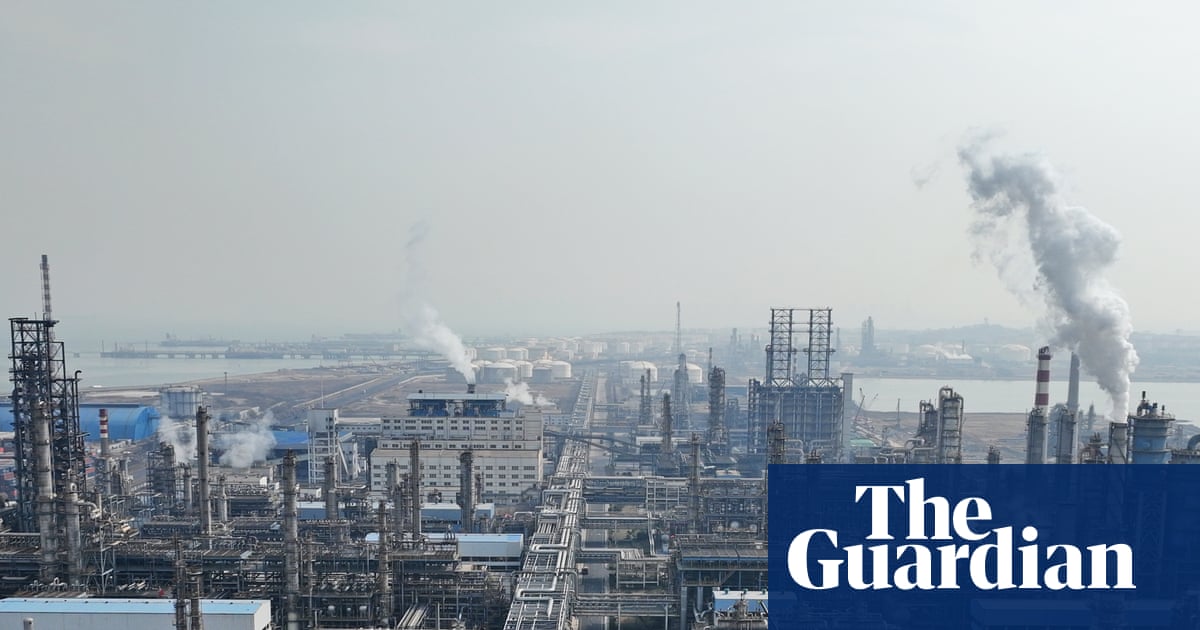
Why are oil prices up today, and will Brent, US WTI crude futures continue to rise or fall in next few days? Oil markets moved higher after fresh military exchanges between the United States and Iran in the Gulf. Brent crude rose above $100 per barrel and West Texas Intermediate also climbed. The rise ended a short decline earlier in the week. Supply fears linked to the Strait of Hormuz drove the move. This waterway carries a large share of global oil and liquefied natural gas. Investors now watch geopolitics, economic data, and peace negotiations. Market reactions across stocks, currencies, and bonds also show rising uncertainty about inflation and energy costs.Oil prices jumped as fighting resumed between the United States and Iran. The market reacted to risks to shipping and supply. Brent crude rose about 1% to around $101 per barrel. U.S. WTI crude rose close to $96. Prices had fallen earlier in the week on hopes of a peace deal. The new conflict reversed that trend.Oil climbs as Gulf conflict returnsThe latest rise came after the United States and Iran exchanged fire in the Strait of Hormuz. This route carries about one fifth of global oil and LNG supply. Any threat to shipping quickly affects prices.Iran accused the United States of breaking a ceasefire. The United States said it acted after attacks on Navy vessels. Iranian forces claimed U.S. strikes hit an oil tanker and ships. The U.S. said no damage occurred to its assets. Despite the fighting, leaders from both sides still say the ceasefire continues.The conflict began on February 28 after airstrikes by the United States and Israel. A ceasefire started in early April. Since then, small clashes have continued. Investors now believe the risk of supply disruption remains high.Shipping risks in the Strait of HormuzThe Strait of Hormuz has become the center of oil market concern. Iran has almost closed the route during the conflict. Hundreds of commercial ships are waiting in the Persian Gulf. Iran has created a new authority to approve ships passing through the strait. The agency also plans to charge tolls. Maritime experts say this move may break international law. The United Nations Convention on the Law of the Sea supports free passage.The United States and allies want a UN resolution to reopen the route. Russia and China earlier vetoed a similar resolution. Until the route fully reopens, supply fears will continue to affect prices.Global markets react to energy and conflictThe oil rise came as g...
Oil Price Forecast 2026: What Experts Expect Next
Summary Oil markets are entering one of their most unpredictable periods in years as traders balance fears of Middle East disruption against slowing global demand and rising non-OPEC production. Analysts say Brent crude could experience major volatility in 2026, with forecasts ranging from below $70 to above $120 depending on geopolitics, OPEC decisions and the future of the Strait of Hormuz. LONDON/NEW YORK/SINGAPORE — Oil markets in 2026 are being pulled in two completely opposite directions. On one side: 👉 War fears👉 Middle East tensions👉 Strait of Hormuz risks👉 Supply disruptions On the other: 👉 Slowing global growth👉 Weak Chinese demand👉 Rising U.S. shale production👉 Renewable energy expansion The result is one of the most uncertain oil environments since the energy shocks of 2022. For investors, governments, airlines, trucking companies and ordinary consumers, one question now dominates global markets: Where will oil prices go next? The answer depends on a mix of geopolitics, economics and energy policy unlike anything markets have seen in years. Why Oil Prices Matter So Much Oil is still the foundation of the global economy. Even in an era of electric vehicles and renewable energy, crude oil affects: Gasoline prices Inflation Airline costs Food transportation Manufacturing Shipping Electricity generation Global trade When oil prices move sharply, entire economies feel it. That’s why investors worldwide closely monitor: Brent crude WTI crude OPEC meetings Strait of Hormuz tensions U.S. inventory data Federal Reserve policy Oil isn’t just another commodity. It’s a global economic signal. The Biggest Risk in 2026: The Strait of Hormuz No issue is shaping oil forecasts more than the Strait of Hormuz. The narrow waterway between Iran and Oman handles roughly: 20% of global oil trade Major LNG exports from Gulf countries Any disruption there can instantly shock markets. Recent military clashes involving: Iran The United States Gulf naval forces …have already pushed oil prices sharply higher multiple times in 2026. Analysts say a prolonged disruption could create the largest oil supply shock in decades. Why Experts Disagree So Much One reason forecasts vary so widely is because oil markets are being driven by two opposing forces simultaneously. Bullish forces pushing prices higher: Gulf conflict risks OPEC production cuts Strong summer travel demand Low spare capacity Shipping disruptions Sanctions on major producers Bearish forces pu...
Crude Oil Prices Today and Oil Market News - CNBC
Follow today's crude oil price moves and key news stories driving oil price actions, as well as developments in the broader energy sector.
Why Oil Prices Affect the Global Economy & 15 Important FAQs
Understanding why oil prices affect the global economy requires examining how oil interacts with production, transportation, trade, inflation, employment, investment, and government policy. Oil prices influence not only energy-producing nations but also importing countries, financial markets, and consumers worldwide.