Vetted by NeuralPress's Multi-Agent Verifier for strict factual validity and event relevance. Our compliance engine cross-checks and filters search results to ensure zero false correlations or misleading content.
Global Brent Crude Price Trends (Recent)
Comparison of Brent crude oil prices during the conflict period.
Primary Sources
US Pushed Pakistan For Iran Ceasefire Deal Worry Over Surging Oil ...
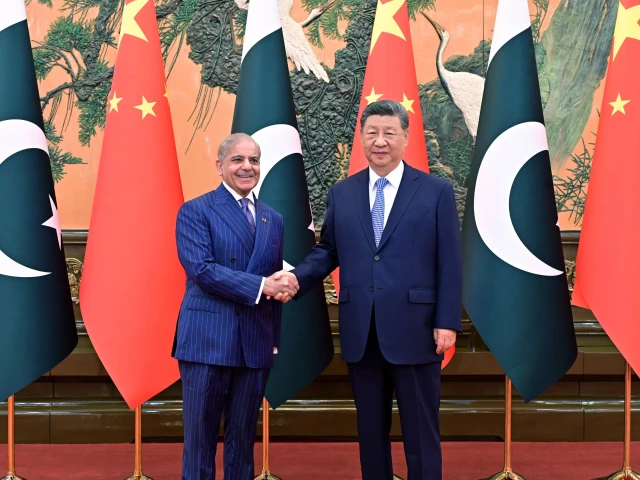
US NewsEdited by: Apoorva ShuklaUpdated Apr 9, 2026, 12:14 ISTThe US and Iran have agreed to a two-week ceasefire, and US and Iranian officials are expected to hold talks from Friday to discuss a long-term settlement. However, the ceasefire appeared to hang by a thread after continued attacks. Israeli soldiers work amid the rubble of residential buildings destroyed by an Iranian missile strike that killed several people, in Beersheba, Israel, last year. (File Photo) Photo : APThe United States pushed Pakistan to broker a temporary ceasefire with Iran due to two major factors - worry about surging oil prices and surprise over a resilient Iranian regime, the Financial Times reported, citing people familiar with the matter.The Trump administration was leaning on Islamabad to convince Iran to agree to a pause in fighting where it would reopen the Strait of Hormuz, the report said, adding that "Pakistan's crucial role, as a Muslim-majority neighbour and intermediary, was to sell it to Tehran." Trump, worried about surging oil prices and surprised by a resilient Iranian regime, was eager for a ceasefire since at least his first threat on March 21 to "obliterate" Iran’s power plants, according to five people familiar with the Pakistan-led back channel, the report said. Soon after Trump's first ultimatum, Pakistani officials involved in the negotiation had started passing messages between Iranian political and military figures and the White House. Pakistan Army Chief held a flurry of calls to top US officials, including Trump, Vice President J D Vance and special envoy Steve Witkoff, it said. "The US and Pakistan believed Iran was more likely to accept the US-backed offer if it was delivered by a Muslim-majority neighbour state that had emphasised its neutrality throughout the conflict." Meanwhile, Prime Minister Shehbaz Sharif made the two-week proposal public on social media after Munir spoke with Iranian Foreign Minister Abbas Araghchi, and has been under fire over the same. Sharif, who framed the deal as Pakistan’s initiative, mistakenly included a subject line at the top of his post: "draft — Pakistan’s PM message on X," it said. It is being speculated that the Pakistani Prime Minister copied and pasted a forwarded text. The US, Israel and Iran on Tuesday agreed to the two-week ceasefire, and US and Iranian officials are expected to hold talks from Friday to discuss a long-term settlement. However, the ceasefire appeared to hang by a thread after the Islamic ...
Brent Oil Slides as Pakistan Urges Iran to Open Strait of Hormuz
Oil prices fell in post-settlement trading as signs emerged that the US and Iran are still working through a possible ceasefire deal.
US Pushed Pakistan To Broker Iran Ceasefire Before Deadline Amid Oil ...
In Article Audio Player Pakistan's role in brokering a temporary ceasefire between the United States and Iran is facing scrutiny after a report suggested that the initiative was largely driven by Washington rather than independent diplomacy. According to a report by Financial Times, the Trump administration pushed Islamabad to step in as an intermediary amid rising oil prices and concerns ...
US pushed Pakistan for ceasefire with Iran, China played a key role - WION
A Financial Times report reveals how the US pushed for a ceasefire with Iran, with Pakistan and China playing key roles after being concerned with rising oil prices.