Vetted by NeuralPress's Multi-Agent Verifier for strict factual validity and event relevance. Our compliance engine cross-checks and filters search results to ensure zero false correlations or misleading content.
Oil Market Volatility Indicators
Comparison of market metrics related to the current energy crisis.
Primary Sources
Oil Market Disruptions to Persist for Months, Equinor Chief Warns
Norway’s state-controlled energy major Equinor has warned that global oil and gas markets will remain unstable for months even if the war involving Iran ends immediately, underscoring the prolonged impact of the ongoing energy crisis. Speaking to Norwegian broadcaster NRK, Equinor President and CEO Anders Opedal said disruptions to global supply chains are likely to persist for “a minimum of six months,” citing logistical bottlenecks and stranded shipping in the Gulf region. The closure and partial disruption of the Strait of Hormuz — a key route for around 20% of global oil flows — has left vessels scattered and delayed, slowing any quick return to normal market conditions.Advertisements “Even if there were peace now, it would take time,” Opedal noted, adding that the movement of tankers and restoration of supply routes would be gradual. His assessment aligns with wider industry warnings that the current crisis could trigger one of the most prolonged supply shocks in modern energy history. The comments came as Equinor reported strong financial results for the first quarter, with net profit rising 18 percent to about $3.1 billion, driven by elevated oil and gas prices amid the conflict. The company also posted robust production levels, benefiting from tight global supply and higher demand for non-Middle Eastern energy sources. Founded in 1972 and majority-owned by the Norwegian state, Equinor is one of Europe’s largest energy producers, with operations spanning oil, natural gas, and an increasing portfolio in renewable energy. The company has played a key role in supplying gas to Europe, particularly after earlier geopolitical disruptions reshaped global energy flows. Meanwhile, crude oil prices remain highly volatile. Brent crude — the global benchmark — surged above $100 per barrel during the peak of the conflict and even approached $120 at one stage due to fears of severe supply shortages. However, prices have recently eased slightly, falling below $100 to around the high-$90 range amid tentative signs of diplomatic progress and expectations that shipping routes may reopen. Join our WhatsApp / Telegram groups below.
Exxon Mobil CEO Warns Oil Market Has Yet to Feel Full Shock of Hormuz ...
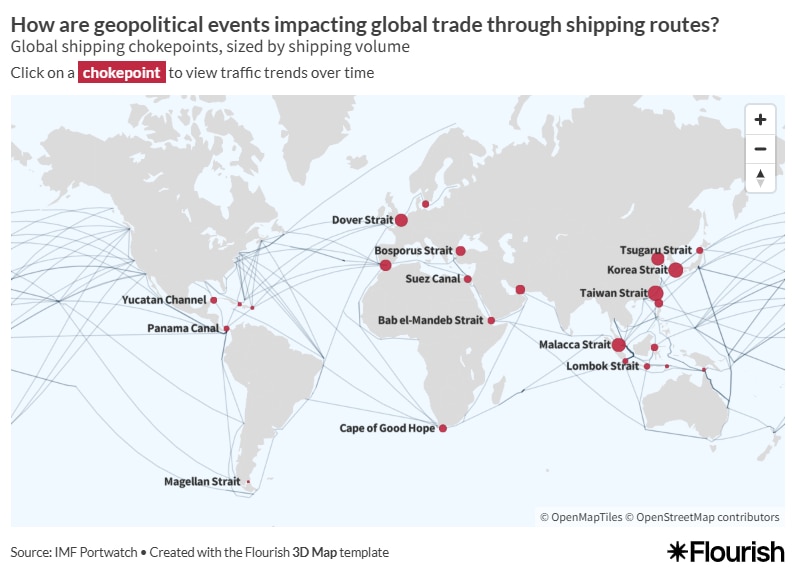
chevron oil tanker Exxon Mobil chief executive Darren Woods has issued one of the starkest warnings yet about the deepening fallout from the Iran war, cautioning that global energy markets have not fully priced in the scale of disruption caused by the closure of the Strait of Hormuz. Speaking during Exxon’s first-quarter earnings call, Woods said current oil prices fail to reflect what he described as an “unprecedented disruption” to global crude and natural gas supplies, arguing that temporary buffers have masked the severity of the shock. “It’s obvious to most that if you look at the unprecedented disruption in the world supply of oil and natural gas, the market hasn’t seen the full impact of that yet,” Woods said. “There’s more to come if the strait remains closed.” The remarks come as traders, governments, and energy companies struggle to gauge the long-term consequences of a conflict that has destabilized one of the world’s most critical energy corridors. The Strait of Hormuz handles roughly a fifth of global oil trade and a significant share of liquefied natural gas shipments, making it one of the most strategically sensitive chokepoints in the global economy. While oil prices initially surged after the outbreak of hostilities, markets have since swung violently between fears of prolonged disruption and hopes for diplomatic de-escalation. U.S. crude fell more than 3% Friday to about $101 per barrel, while Brent crude slipped to roughly $108. Even at those levels, Woods suggested the market remains underestimating the potential supply shock. “These prices are more consistent with historic levels over the past decade rather than the scale of the disruption in the Middle East,” he said. A key reason prices have not climbed even higher, according to Exxon, is that the market has been cushioned by short-term emergency supply channels. Loaded oil tankers that had already departed the Gulf before the closure continued delivering cargoes during the first month of the conflict. Governments also tapped strategic petroleum reserves, while refiners and traders drew down commercial inventories to stabilize supply chains. But Woods warned those buffers are finite. “The disruption has been mitigated by the large number of loaded oil tankers that were in transit during the first month of the war,” he said, adding that reserve releases and inventory drawdowns had also softened the immediate impact. “One of these supply sources will become exhausted as the conflict g...
Oil prices slip, but set to end April with gains as Hormuz disruptions ...
Oil prices slip, but set to end April with gains as Hormuz disruptions persist Author Anuron Mitra Commodities Published 04/29/2026, 09:06 PM
Big Oil Warns Supply Buffer Is Running Out - Bloomberg
Big Oil Warns Supply Buffer Is Running Out Get caught up. Tankers anchored in the Strait of Hormuz off the coast of Qeshm Island, Iran, on April 18. Photographer: Asghar Besharati/AP Photo