Vetted by NeuralPress's Multi-Agent Verifier for strict factual validity and event relevance. Our compliance engine cross-checks and filters search results to ensure zero false correlations or misleading content.
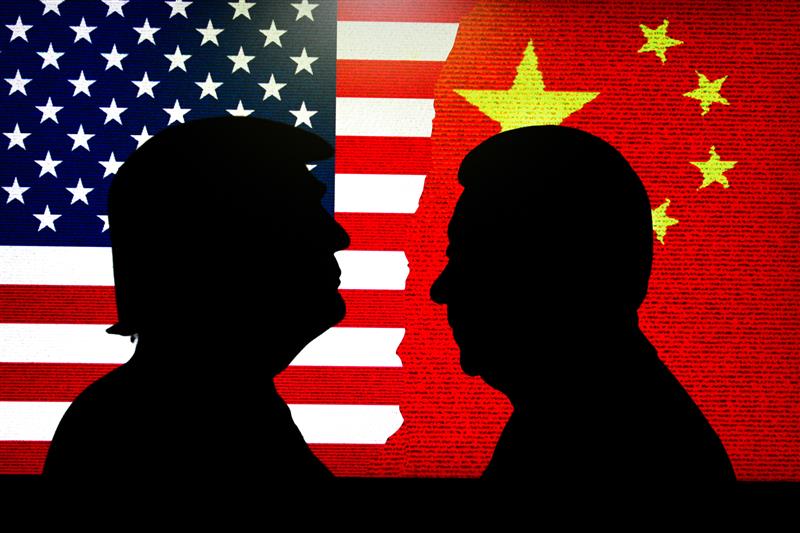
Escalating Trade Tensions (May 2026)
Comparison of key areas of economic rivalry between the US and China.
Primary Sources
Can China counter US sanctions with its trade power?
Counting the CostFrom sanctions to rare earths, the economic rivalry between the US and China is intensifying.Signalling a more aggressive stance, China is now pushing back more openly against economic pressure from the United States.Beijing has ordered its companies to ignore US sanctions in a rare act of defiance, while expanding export controls on rare earths and critical technology.The rivalry between Washington and Beijing is extending well beyond tariffs — into finance, supply chains and access to key industries.For businesses working across both markets, the challenge is growing. Companies are navigating competing political demands, regulatory risks, and shifting trade restrictions.But can both sides stabilise relations, or is the global economy becoming more fragmented?Published On 12 May 2026
Can China use its Huge Economy to break US Sanctions?
( Middle East Monitor ) – On May 2, 2026, China’s Ministry of Commerce issued a landmark prohibition order under its 2021 Rules on Counteracting Unjustified Extraterritorial Application of Foreign Legislation and Other Measures, commonly known as China’s Blocking Rules. The order bars the recognition, enforcement, or compliance inside China with U.S. sanctions imposed on five Chinese refineries accused of buying Iranian crude: Hengli Petrochemical (Dalian) Refinery, Shandong Jincheng Petrochemical Group, Hebei Xinhai Chemical Group, Shouguang Luqing Petrochemical, and Shandong Shengxing Chemical. This was not just another diplomatic complaint from Beijing about U.S. “long-arm jurisdiction.” It was the first formal use of China’s Blocking Rules and marked a sharper legal response to Washington’s secondary sanctions. By invoking the measure, Beijing signaled that it is prepared to defend its energy trade with Iran not only through rhetoric, but through domestic law, court remedies, and regulatory pressure. U.S. Sanctions and China’s Iranian Oil Trade The U.S. Treasury’s Office of Foreign Assets Control has intensified sanctions enforcement against Chinese buyers of Iranian oil, especially independent refiners often described as “teapot” refineries. Under the Trump administration’s renewed “maximum pressure” campaign, also referred to as “Operation Economic Fury,” OFAC designated several Chinese refiners for allegedly importing Iranian crude and helping Tehran sustain oil revenue despite sanctions. On April 24,, OFAC added Hengli Petrochemical (Dalian) to the Specially Designated Nationals list, citing large-scale purchases of Iranian oil, including transactions linked to shadow fleet vessels. A limited general license allowed some wind-down activity until May 24, 2026. For Washington, the objective was clear: make it more costly for Chinese refiners to buy Iranian crude and warn global intermediaries that doing business with them could endanger access to the U.S. financial system. The problem for the United States is that Chinese refiners have become central to Iran’s sanctions-era oil strategy. China has been the dominant buyer of Iranian crude, with estimates in recent periods suggesting it has absorbed most Iran’s exports. Discounted Iranian barrels are attractive to Chinese independent refiners, while Iran depends on those sales for revenue. The relationship is not merely commercial; it sits at the intersection of energy security, sanctions evasion, an...
U.S. President Trump's Renewed Trade War With China
U.S. sanctions some refineries in China for buying billions of dollars' worth of Iranian oil, blocking their U.S. assets and preventing Americans from doing business with them.
China Tests a Rare Tool in Its Sanctions Arsenal
China Tests a Rare Tool in Its Sanctions Arsenal Ahead of the Trump-Xi summit, Beijing is pushing back on Washington. By James Palmer, a deputy editor at Foreign Policy.